What is an anionic surfactant?
Anionic surfactants are surface-active materials that carry a negatively charged hydrophilic group when ionized in water. Like other surfactants, they contain both a water-compatible portion and a hydrophobic portion. This amphiphilic structure allows them to adsorb at interfaces, reduce interfacial tension, promote wetting, assist the removal of oily soils, and stabilize selected dispersions.
The term “anionic surfactant” describes a broad chemical family rather than a single product. Performance varies substantially with molecular structure, counterion, active content, impurities, pH, electrolyte concentration, temperature, water hardness, and the other components in a formulation. Product selection should therefore be based on the required function and the conditions of use, not on category name alone.

Major categories
Carboxylates
Carboxylate surfactants include soaps and related fatty-acid salts. They can provide detergency, emulsification, and wetting, but many are sensitive to pH and hard-water ions. Calcium and magnesium may form poorly soluble salts, reducing performance or creating deposits. Their suitability must be checked under the actual water and formulation conditions.
Sulfates
Sulfate surfactants contain a sulfate ester group. Common examples include alkyl sulfates and alkyl ether sulfates. Depending on structure, they can provide strong wetting, detergency, and foam generation. Hydrolytic stability, temperature, pH range, and compatibility with other ingredients should be reviewed for the intended application.
Sulfonates
Sulfonate surfactants contain a carbon-sulfur bond in the hydrophilic group and include alkylbenzene sulfonates, alpha-olefin sulfonates, and sulfosuccinates. This category covers materials with very different wetting, emulsifying, dispersing, and foaming profiles. Some sulfonates are selected for detergency, while others are used as wetting agents, emulsifiers, or components of industrial surfactant blends.
Phosphate esters
Phosphate ester surfactants can contribute wetting, emulsification, dispersion, and antistatic behavior. Their degree of esterification and neutralization influences solubility and performance. They are often evaluated where formulation flexibility or interaction with inorganic surfaces is important, but compatibility and regulatory suitability remain application-specific.
Key performance characteristics
Anionic surfactants are widely used because they can offer effective wetting, detergency, emulsification, and dispersion at practical use levels. Their negatively charged head groups may help create electrostatic repulsion between similarly charged particles or droplets. However, performance can decline when dissolved salts compress this electrical layer or when multivalent ions interact with the surfactant.
Foam behavior is another important consideration. Some anionic surfactants generate abundant and persistent foam, while others are formulated for faster drainage or lower foam. Foam should be treated as a design parameter: it can be desirable in some cleaning applications but undesirable in spray tanks, high-speed filling, circulation systems, and many industrial processes.
Compatibility must also be assessed carefully. Anionic surfactants may interact strongly with cationic materials and can form complexes or precipitates. Blends with nonionic or amphoteric surfactants can improve certain properties, but any claimed synergy should be demonstrated in the complete formulation.
Product selection should be based on the required function and the conditions of use — not on category name alone.
Industrial application areas
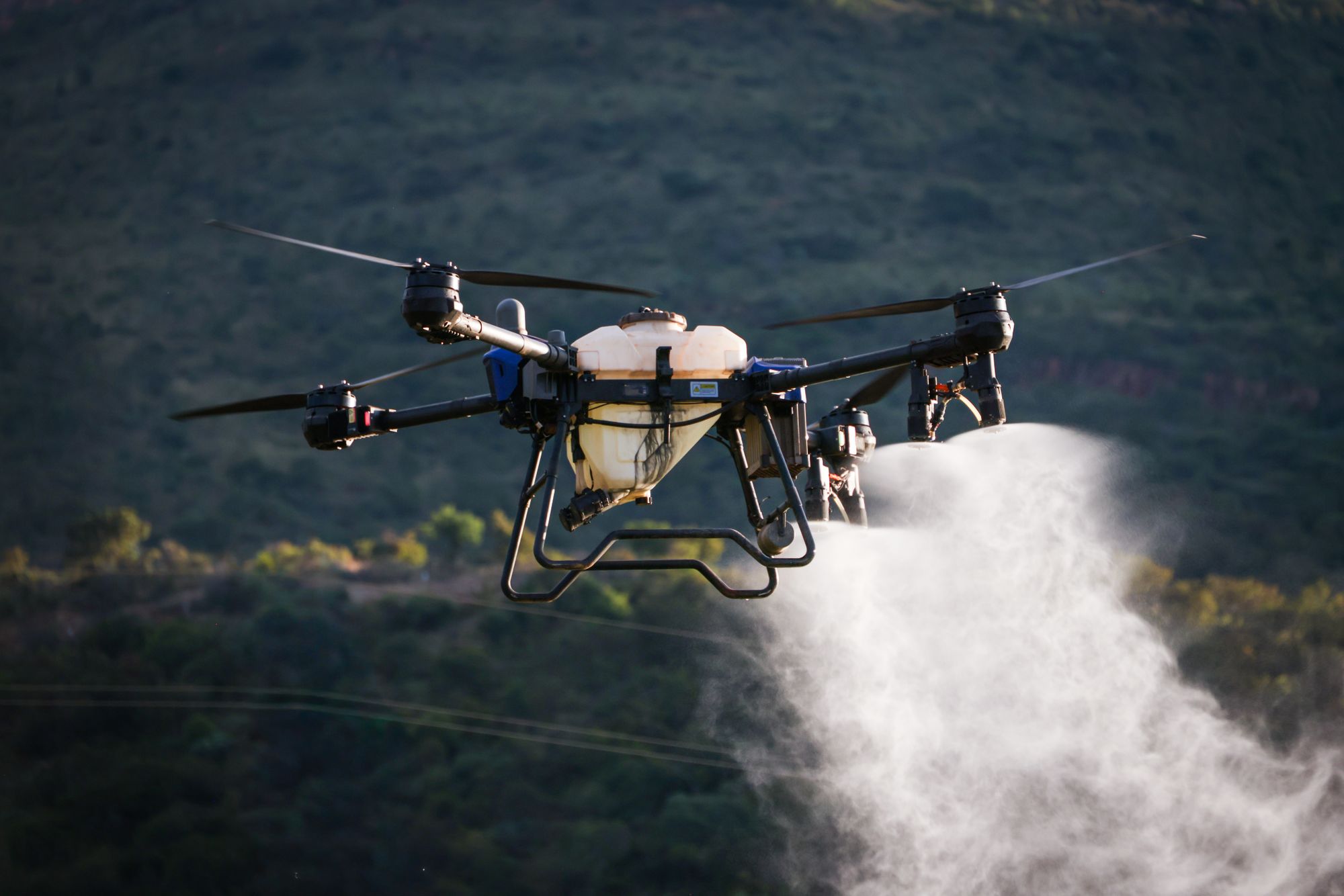
- Agrochemical formulations: wetting, dispersion, emulsification, and dilution support in selected EC, SC, EW, WP, WG, and related systems.
- Cleaning products: soil removal, wetting, detergency, and foam control through appropriate blending.
- Textile and leather processing: wetting, scouring, emulsification, and process cleaning, subject to substrate and process compatibility.
- Coatings and emulsion polymerization: stabilization or wetting in selected water-based systems.
- Industrial fluids and oilfield applications: emulsification, dispersion, or wetting where salinity, temperature, and material compatibility have been evaluated.
How to select and evaluate a product
Begin by defining the required function, substrate or phase to be wetted, target pH, temperature, water hardness, electrolyte level, foam limit, and compatibility constraints. Compare products on an active-matter basis rather than by supplied-product dosage alone. Review appearance, active content, pH, solubility or dispersibility, and any application-specific test data in the TDS, and follow handling and hazard controls stated in the SDS.
Laboratory screening should use the actual formulation components and representative process water. Useful tests may include wetting time, surface or interfacial tension, emulsion stability, particle dispersion, foam height and decay, dilution behavior, aging, and temperature cycling. A successful laboratory candidate should then be confirmed at pilot scale before routine production.
Supply and technical-information coordination
Shanghai Agro-Harvest Trading Co., Ltd. supplies surfactants and surfactant blends for selected agrochemical and industrial applications. The company can coordinate product information, samples, commercial terms, and export documentation based on the customer's stated requirements. Final suitability remains dependent on formulation testing, applicable regulations, and the customer's acceptance criteria.